What Every Oregon Homeowner Should Know About Roof Moss
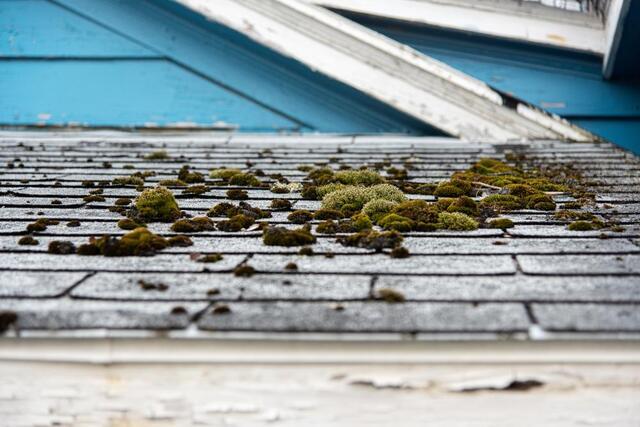
If you've lived in Oregon for a while, you've probably seen roofs covered in green moss. It's so common that many people think it's just part of the scenery. While it might give a house a cozy Pacific Northwest look, moss can actually cause serious problems if it's left alone.
Knowing why moss grows and how it affects your roof can help you avoid expensive repairs and keep your home in good shape.
Why Does Moss Grow So Easily in Oregon?
Oregon has the perfect conditions for moss to grow. We get plenty of rain, the weather stays cool for much of the year, and many homes are surrounded by trees. When leaves pile up on a roof and block sunlight, moisture sticks around longer, giving moss everything it needs to spread.
That's why you'll usually find moss on shaded areas of the roof or on the side that gets the least amount of sun.
Is Roof Moss Really That Bad?
The short answer is yes. Even though moss might not seem like a big deal at first, it can lead to much bigger problems over time.
It Holds Moisture
Moss acts like a sponge, soaking up rainwater and keeping your roof damp. When roofing materials stay wet for long periods, they wear out faster and become more likely to develop leaks.
It Can Damage Shingles
As moss grows, it can work its way underneath shingles and lift them slightly. Once that happens, water has an easier path into your roof, which can lead to rot, mold, or water damage inside your home.
It Can Shorten Your Roof's Lifespan
A roof is a major investment, and most homeowners expect it to last for decades. If moss is ignored, it can reduce the life of your roof and cause you to replace it sooner than expected.
Signs You Have a Moss Problem
Not sure if your roof needs attention? Here are a few things to look for:
-
Thick green patches growing on your shingles
-
Leaves and debris collecting on the roof
-
Shingles that look loose or curled
-
Dark streaks or areas that stay wet after it rains
-
Small plants or moss growing in roof valleys
If you notice any of these signs, it's worth having your roof inspected before the problem gets worse.
Should You Remove Moss Yourself?
It might seem like an easy weekend project, but removing moss yourself isn't always the best idea.
Pressure washing can damage asphalt shingles by removing the protective granules that help them last. Walking on a moss-covered roof is also dangerous because it's extremely slippery.
A professional roofer has the right tools and cleaning methods to remove moss safely without causing unnecessary damage.
How to Prevent Moss from Coming Back
The good news is that there are a few simple ways to reduce moss growth.
-
Trim tree branches that keep your roof in the shade.
-
Clean your gutters so water can drain properly.
-
Remove leaves and debris before they trap moisture.
-
Schedule regular roof inspections to catch small problems early.
These simple maintenance tasks can go a long way in keeping your roof healthy.
When Should You Call a Roofing Professional?
If moss has spread across large sections of your roof, or you've noticed leaks, missing shingles, or water stains inside your home, it's a good idea to call a roofing professional.
An inspection can help determine whether your roof just needs a cleaning or if there are repairs that should be taken care of before they become bigger, more expensive issues.
Moss is a normal part of living in Oregon, but that doesn't mean you should ignore it. While it may seem harmless, moss can trap moisture, damage shingles, and shorten the life of your roof if it's left untreated.
Regular maintenance and professional inspections can help prevent costly repairs and keep your roof in great condition for years to come. If you've noticed moss starting to grow, taking care of it early is one of the best ways to protect your home.