How Long Does a Roof Last? A Homeowner's Guide
Your roof is one of the biggest investments for your home but it won't last forever. Knowing the average lifespan of different roofing materials can help you plan for repairs, budget for a replacement, and avoid costly surprises.
So, how long does a roof last? The answer really depends on the type of roofing material, your local climate, and how well the roof has been maintained.
Average Lifespan of Common Roofing Materials
Asphalt Shingles: 20–30 Years
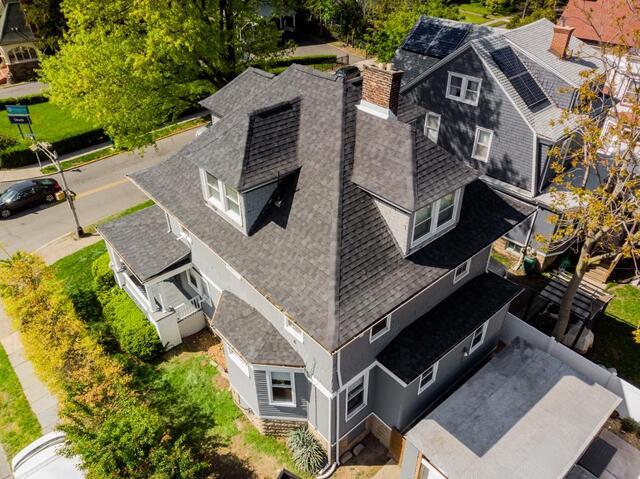
Asphalt shingles are the most common roofing material in the United States because they're affordable and reliable. A standard three-tab shingle roof typically lasts around 20 years, while architectural shingles can often last 25 to 30 years or more with proper maintenance.
Metal Roofing: 40–70 Years
Metal roofs are known for their durability and longevity. They resist fire, wind, and many weather-related issues, making them a great long-term investment. Although the upfront cost is higher, many homeowners find the extended lifespan worth it.
Tile Roofing: 50–100 Years
Clay and concrete tile roofs are incredibly durable and can last for decades when properly maintained. They're especially popular in warmer climates and offer excellent resistance to heat and harsh weather.
Slate Roofing: 75–100+ Years
Slate is one of the longest-lasting roofing materials available. While it requires a larger initial investment, a well-installed slate roof can last for generations.
What Can Shorten Your Roof's Lifespan?
Even the highest-quality roofing materials won't reach their full lifespan if they're exposed to certain conditions.
Some of the biggest factors include:
-
Severe storms and high winds
-
Hail damage
-
Poor attic ventilation
-
Clogged gutters
-
Improper installation
-
Lack of routine maintenance
-
Overhanging tree branches
Regular inspections can catch small problems before they become major repairs.
Signs Your Roof May Need Replacing
Age isn't the only indicator that it's time for a new roof. Watch for these warning signs:
-
Missing or damaged shingles
-
Curling or cracked shingles
-
Granules collecting in gutters
-
Water stains on ceilings
-
Frequent leaks
-
Sagging roof sections
-
Moss or algae growth that causes damage
If your roof is approaching the end of its expected lifespan and you're noticing several of these issues, it may be time to consider a replacement.
How to Make Your Roof Last Longer
A few simple maintenance habits can significantly extend the life of your roof:
-
Schedule professional inspections once a year.
-
Clean gutters regularly to prevent water backup.
-
Trim tree branches away from the roof.
-
Replace damaged shingles promptly.
-
Keep attic ventilation working properly.
-
Address leaks as soon as they're discovered.
Preventive maintenance is almost always less expensive than major repairs.
The lifespan of a roof depends on the material, installation quality, weather conditions, and ongoing maintenance. While asphalt shingle roofs typically last 20 to 30 years, metal, tile, and slate roofs can last much longer.
If you're unsure about your roof's condition, scheduling a professional inspection is the best way to determine how much life it has left. Catching issues early can save you money and help protect your home for years to come.