How Does Coastal Weather Impact Your Roof?
By Trinity Stirn
Living on the Oregon Coast offers breathtaking views, fresh ocean air, and a unique lifestyle. However, coastal weather can be surprisingly tough on your home, especially your roof. Salt air, strong winds, heavy rain, and constant moisture can all shorten the lifespan of roofing materials if they aren't properly maintained.
Understanding how coastal weather affects your roof can help you protect your investment and avoid costly repairs.
How Does Coastal Weather Affect Roofing?
Coastal climates create a perfect storm of conditions that can wear down roofing systems over time. The biggest culprits include salt, humidity, wind, rain, and UV exposure.
Salt Air and Humidity
Ocean air carries salt particles that settle on roofing materials. Over time, salt can accelerate deterioration and corrosion.
-
Asphalt shingles may experience faster aging, granule loss, and increased susceptibility to leaks.
-
Metal roofs are highly durable but can develop oxidation or rust if not properly coated or maintained.
-
Roof components such as flashing, fasteners, and vents may corrode more quickly in salty environments.
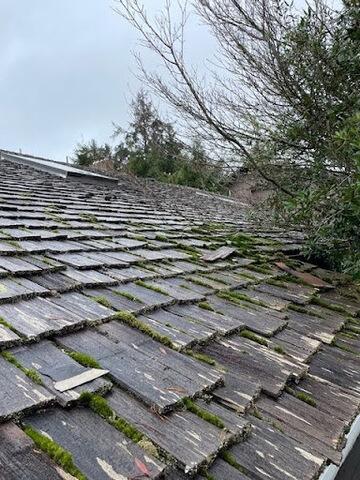
Additionally, the constant humidity common along the coast creates ideal conditions for moss and algae growth, particularly on shaded or damp sections of the roof.
Strong Winds and Storms
Coastal regions frequently experience high winds and severe storms. Strong gusts can:
-
Lift or loosen shingles
-
Damage flashing around chimneys and vents
-
Blow debris onto the roof
-
Increase the risk of water intrusion
Wind damage often starts small but can quickly lead to leaks if left unaddressed.
Sun Exposure and UV Damage
Even in cooler coastal climates, ultraviolet (UV) rays can gradually break down roofing materials. Prolonged sun exposure may cause shingles to:
-
Dry out and become brittle
-
Curl or crack
-
Lose protective granules
When combined with moisture and wind, UV damage can significantly reduce a roof's lifespan.
How Can You Make Your Coastal Roof Last Longer?
The good news is that with proper materials and maintenance, homeowners can extend the life of their roof despite challenging coastal conditions.
Choose High-Quality Roofing Materials
Investing in durable roofing products designed for coastal climates is one of the best ways to protect your home. When selecting a roofing contractor, choose a company that:
-
Offers strong warranties
-
Uses quality materials
-
Has experience working in coastal environments
Maintain Your Gutters
Clogged gutters can lead to water backup and roof damage. Coastal homes often accumulate debris from trees and storms, making gutter maintenance especially important.
Homeowners should:
-
Clean gutters 1-2 times per year, or more frequently if surrounded by trees
-
Consider installing gutter guards to reduce maintenance and prevent clogs
-
Ensure downspouts direct water away from the home's foundation
Schedule Regular Roof Maintenance
Routine inspections and maintenance can catch minor issues before they become major repairs.
To protect your coastal roof:
-
Clean moss, algae, and debris regularly
-
Inspect flashing and roof penetrations after storms
-
Check for loose or damaged shingles
-
Use proper underlayment and waterproofing materials during installation
Protect Your Roof From the Coast's Toughest Elements
Coastal weather is beautiful, but it can be harsh on roofing systems. With the right materials, regular maintenance, and a trusted roofing contractor, your roof can withstand years of exposure to salt air, wind, rain, and sun.
If you live along the Oregon Coast and have concerns about your roof's condition, scheduling a professional inspection can help ensure your home stays protected year-round.